
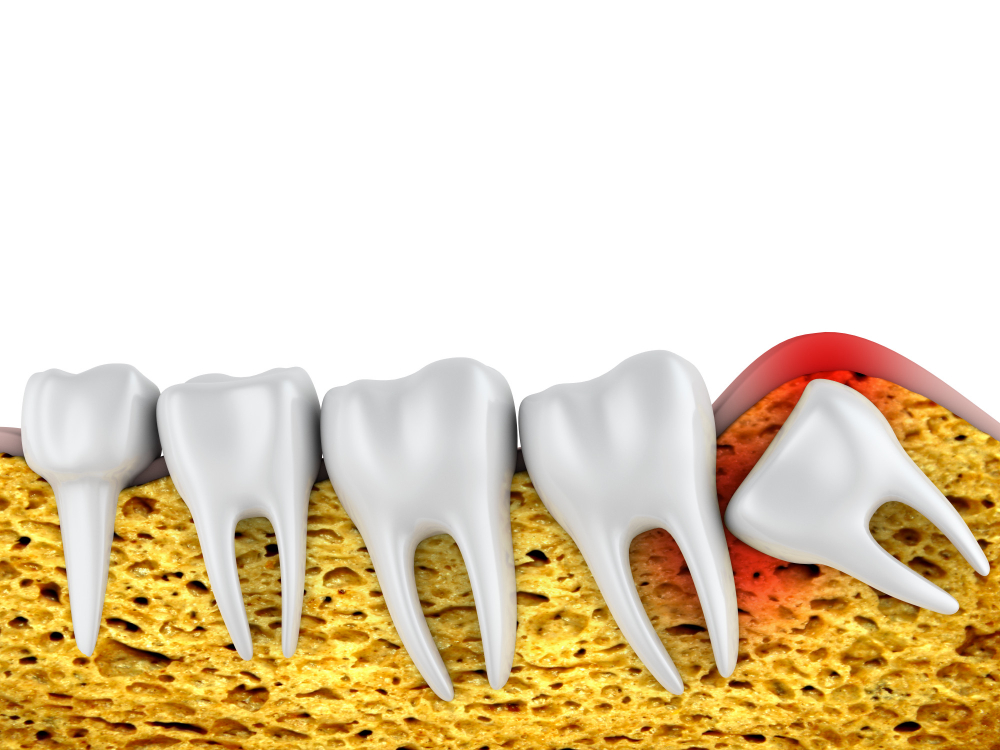
What Is a Wisdom Tooth and What Does “Impacted” Mean?
Wisdom teeth are the last set of molars at the back of your mouth. Most people get them between ages 17 and 25. However, sometimes these teeth do not have enough space to grow. When this happens, the tooth becomes “impacted.” This means it is stuck under the gum or only partly comes out. Because of this, wisdom tooth extraction is often needed to prevent pain and other problems.
Common Symptoms and Signs of Impacted Wisdom Teeth
Impacted wisdom teeth can cause many symptoms. Sometimes, you may not notice any signs at first. But as the tooth pushes against other teeth or the gum, you might feel:
For example, you may notice pain while chewing. Or, you might see swelling near your jaw. If you have these impacted wisdom tooth symptoms, you should see a dentist near you.
Causes and Risk Factors for Impaction
There are several reasons why wisdom teeth become impacted. Often, the jaw is too small to fit the new teeth. In other cases, the teeth grow at an angle. Some common risk factors include:
Because of these factors, not everyone will have problems. But if you are at risk, regular dental checkups can help catch issues early.
How Dentists Diagnose Impacted Wisdom Teeth
First, your dentist will ask about your symptoms. Next, they will examine your mouth and jaw. Often, they use dental X-rays to see the position of your wisdom teeth. X-rays help show if the teeth are stuck under the gum or pushing against other teeth. With this information, your dentist can decide if wisdom tooth extraction is needed.
Treatment Options: Extraction Procedures and Recovery Tips
When an impacted wisdom tooth causes pain or infection, removal is often the best option. The main treatment is wisdom tooth extraction. Here is what you can expect:
After the procedure, you may have some swelling or mild pain. However, most people recover in a few days. To help with wisdom tooth removal recovery, follow these tips:
If you have questions, ask your dentist near you for advice.
Prevention and Oral Care Guidance
While you cannot always prevent impacted wisdom teeth, good oral care helps. Here are some steps you can take:
Because early action can prevent bigger problems, do not ignore symptoms.
When to Consult a Dentist
If you notice pain, swelling, or trouble opening your mouth, see a dentist soon. Also, if you have signs of infection like fever or pus, get help right away. Searching for a “dentist near me for wisdom teeth” can help you find care quickly. Remember, only a dentist can tell if you need wisdom tooth extraction.
Conclusion
In summary, impacted wisdom teeth can cause pain and other issues. Early diagnosis and wisdom tooth extraction can prevent problems. For the best care, consult a dentist for personalized advice on wisdom tooth extraction and oral health.